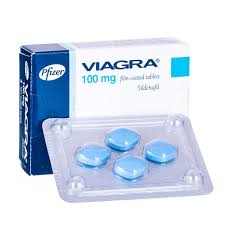
Viagra treatment is widely known as a medical option for men experiencing erectile dysfunction, a condition in which achieving or maintaining an erection suitable for sexual activity can be difficult. Viagra contains sildenafil, a phosphodiesterase type 5 (PDE5) inhibitor that works by increasing blood flow to the penis when sexual stimulation is present. Understanding Viagra begins with understanding that it does not automatically cause an erection and does not increase sexual desire by itself. Instead, Viagra sildenafil supports the natural physiological process involved in producing an erection. Viagra for erectile dysfunction is generally considered when erectile difficulties occur repeatedly and interfere with sexual activity or quality of life. Because erectile dysfunction can sometimes be associated with cardiovascular, metabolic, hormonal, psychological, or medication-related factors, a medical evaluation can be useful before starting treatment. How Viagra works is based on the inhibition of PDE5, an enzyme involved in regulating blood flow in penile tissue. During sexual stimulation, nitric oxide contributes to the production of cyclic GMP, which relaxes smooth muscle and allows increased blood flow. Sildenafil helps preserve cyclic GMP activity by inhibiting PDE5. Viagra blood flow effects therefore depend on sexual stimulation and normal physiological mechanisms. The medication is normally taken orally before anticipated sexual activity, with the exact dose selected according to individual circumstances. Viagra dosage should be determined according to medical advice, taking into account factors such as age, other medicines, kidney or liver function, and previous response to treatment. Different strengths are available, and a healthcare professional can determine which strength is appropriate. Viagra timing is also relevant because sildenafil is generally taken before sexual activity rather than continuously throughout the day. The onset and duration of effect can vary between individuals, and a high-fat meal may delay absorption. Viagra effectiveness can therefore depend on timing, food intake, sexual stimulation, and individual health factors. Another important point is that Viagra does not increase libido. Men who have erectile dysfunction associated with reduced sexual desire may need assessment for other underlying factors rather than simply increasing the sildenafil dose. Viagra for men can be effective for many patients, but it is not appropriate for everyone. In particular, sildenafil must not be combined with nitrate medicines because the combination can produce a dangerous reduction in blood pressure. Viagra drug interactions should therefore always be considered before treatment. Other medicines, including certain alpha-blockers and drugs affecting sildenafil metabolism, may also require particular caution or dose adjustment. Viagra safety depends heavily on using the medication appropriately and providing a healthcare professional with an accurate list of current medicines and medical conditions. Common adverse effects may include headache, flushing, indigestion, nasal congestion, dizziness, and visual disturbances. Viagra side effects are usually mild when they occur, but persistent, severe, or unusual symptoms should receive medical attention. Viagra headache and facial flushing are among the effects that some users may experience because of the medication's vascular activity. A small number of people can experience more serious reactions. Viagra precautions are particularly important for individuals with certain cardiovascular conditions, significant blood-pressure problems, severe liver or kidney impairment, or a history of specific eye disorders. An erection lasting more than four hours, known as priapism, requires urgent medical attention because prolonged erection can cause permanent tissue damage. Viagra emergency symptoms can also include sudden loss of vision or hearing, although these events are uncommon. The medication should never be taken in larger quantities simply because the initial dose did not produce the desired result. Viagra treatment results vary between individuals, and repeated treatment failure should be discussed with a healthcare professional rather than addressed through unsupervised dose increases. Lifestyle factors may also influence erectile function. Healthy lifestyle and Viagra can be considered together because regular physical activity, adequate sleep, management of cardiovascular risk factors, smoking cessation, moderation of alcohol consumption, and a balanced diet may contribute to better overall sexual health. Erectile dysfunction itself can sometimes be an early indicator of vascular disease, making persistent symptoms worth discussing with a doctor even when sildenafil is being considered. Viagra and cardiovascular health therefore deserves attention rather than being treated as an isolated sexual issue. Psychological factors can also contribute to erectile difficulties. Anxiety, stress, relationship problems, depression, and performance concerns may affect sexual function even when blood vessels and nerves are otherwise healthy. Viagra and performance anxiety may therefore involve more than medication alone, and appropriate psychological or relationship support can sometimes be useful. It is also important to distinguish sildenafil from other PDE5 inhibitors. Viagra versus other ED treatments may involve differences in duration, onset, dosing, interactions, and individual response. A healthcare professional can help determine which option is most appropriate. Viagra prescription treatment should be based on a proper medical assessment, particularly because erectile dysfunction may have an underlying cause requiring separate treatment. Sildenafil is not intended to treat infertility and does not protect against sexually transmitted infections. Viagra and sexual health should therefore be considered as separate from contraception and infection prevention. The medication also should not be shared with another person, even if that person reports similar symptoms. Using Viagra safely means following the prescribed instructions, avoiding contraindicated medicines, and seeking professional advice when unexpected reactions occur. Patients should also inform healthcare professionals about recreational substances and supplements because some combinations may affect blood pressure or medication metabolism. Viagra patient information should always be reviewed before treatment so that contraindications, interactions, and possible adverse effects are understood. For men who have been medically assessed and are considered suitable candidates, Viagra erectile dysfunction treatment can provide a useful option for improving erectile function and supporting sexual activity. However, successful treatment is not simply about taking a tablet. Correct diagnosis, appropriate dosing, realistic expectations, medication safety, and attention to underlying health conditions all contribute to better outcomes. Long-term Viagra use should remain under appropriate medical supervision, especially when erectile dysfunction is persistent or when other medicines are being taken. Regular review can help determine whether the treatment remains appropriate and whether additional investigation is necessary. Ultimately, Viagra and sildenafil treatment should be approached as part of comprehensive erectile-dysfunction care rather than as a standalone solution. With proper medical evaluation and responsible use, sildenafil may help eligible men achieve and maintain erections when sexual stimulation occurs, while attention to cardiovascular health, lifestyle, psychological wellbeing, and medication interactions can provide a broader approach to sexual health.
✔ Certified Medical Review✔ Discreet Shipping✔ 24/7 Support
High demand on selected treatments — limited availability
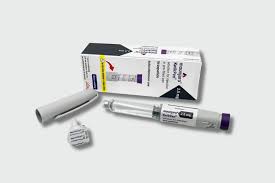
Ozempic
Advanced metabolic and blood sugar support treatment.
Mounjaro
Modern weight management and insulin response support.
Viagra
Reliable performance support with fast onset action.
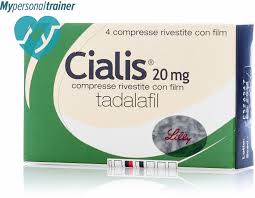
Cialis
Long-lasting support designed for extended duration.
How It Works
1. Complete the consultation form → 2. Receive medical review → 3. Fast and discreet shipping.